



Financial Checkup
Are You on Track for Your Financial Goals?
Life changes quickly. A new home, growing family, career advancement, unexpected expenses, or changing goals can all impact your financial picture.
That’s why it’s important to periodically take a step back and review your overall financial health.
Just like regular health checkups help identify opportunities to stay healthy, a financial checkup can help you understand where you are today and where you may want to focus next.
The good news? You don’t need to be a financial expert to get started.
Why a Financial Checkup Matters
Many people focus on individual financial goals such as paying off debt or building savings. While those goals are important, it’s equally important to understand how all the pieces fit together.
A financial checkup can help you:
- Measure progress toward financial goals
- Identify areas for improvement
- Reduce financial stress
- Improve confidence in financial decisions
- Prepare for major life events
- Build a stronger foundation for the future
Even small adjustments today can have a meaningful impact over time.
1. Review Your Spending
The first step is understanding where your money is going.
Ask yourself:
- Do I know how much I spend each month?
- Am I living within my means?
- Have any expenses increased recently?
- Are there subscriptions or recurring charges I no longer use?
Reviewing spending habits can help identify opportunities to redirect money toward savings and long-term goals.
Helpful Resource
2. Evaluate Your Emergency Fund
Unexpected expenses can happen at any time.
Consider:
- Do I have money set aside for emergencies?
- Could I cover an unexpected car repair or medical expense?
- Am I making regular contributions to savings?
An emergency fund can help provide financial flexibility and peace of mind when life doesn’t go as planned.
Helpful Resource
3. Review Your Debt
Not all debt is bad, but understanding what you owe can help you make informed decisions.
Ask yourself:
- What debts do I currently have?
- Which balances carry the highest interest rates?
- Am I making progress toward paying them down?
- Could I benefit from a repayment plan?
Reducing debt can free up resources for other financial goals.
Helpful Resource
4. Check Your Credit Health
Your credit can impact important financial opportunities, including loans, housing, and insurance costs.
Consider:
- Do I know my current credit score?
- Have I reviewed my credit report recently?
- Am I making payments on time?
- Is my credit utilization under control?
Understanding your credit profile can help position you for future financial success.
Helpful Resource
5. Measure Progress Toward Your Goals
Financial goals evolve as life changes.
Take time to assess:
- Am I saving for retirement?
- Do I have education savings goals?
- Am I preparing for a major purchase?
- Have my priorities changed over the last year?
Revisiting goals can help ensure your financial plan continues to support what matters most.
6. Look Ahead
Once you’ve reviewed your current financial picture, think about where you want to go next.
Common goals include:
- Building retirement savings
- Purchasing a home
- Paying off debt
- Saving for college
- Growing an emergency fund
- Increasing overall financial confidence
The most important step isn’t perfection. It’s progress.
Featured Tool: Wellness+
A financial checkup starts with understanding your complete financial picture.
With Wellness+, you can:
- Create budgets
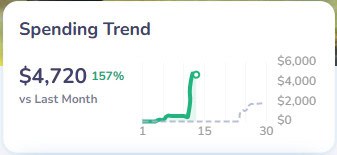
- Track spending
- Set savings goals
- Monitor subscriptions
- Connect external accounts
- View your finances in one place
Whether you’re reviewing monthly spending or planning for long-term goals, Wellness+ can help you stay organized and informed.
When It Might Be Time for Financial Guidance
If you’re unsure where to start or feeling overwhelmed by financial decisions, you don’t have to navigate them alone.
Financial counseling resources can help you:
- Build a budget
- Create a debt repayment strategy
- Set savings goals
- Plan for retirement
- Improve overall financial wellness
Related Resource
Small Steps Today Can Make a Big Difference Tomorrow
A financial checkup isn’t about achieving perfection. It’s about understanding where you are today so you can make informed decisions about where you want to go next.
Take a few minutes to review your finances, celebrate your progress, and identify opportunities to strengthen your financial future.